
Gentle Parenting Is Losing Its Grip. Here's What's Actually Replacing It.
For most of the last decade, "gentle parenting" was the parenting philosophy — the one every new parent felt quietly obligated to at least try, the one that flooded Instagram with soft-spoken toddler negotiations and phrases like "I see you're having big feelings right now." It promised empathetic, emotionally secure kids raised without yelling or punishment.
In 2026, something has shifted. Not a rejection of empathy — nobody's arguing for going back to yelling and time-outs. Something more specific: parents are exhausted, and they're starting to say so out loud.
What Actually Broke
Talk to parenting researchers and burned-out parents themselves, and the same three complaints come up again and again.
Negotiation fatigue. Try explaining, calmly and at length, why a two-year-old can't wear a swimsuit to the grocery store in December — to a two-year-old who is developmentally incapable of following that logic in the first place. Multiply that conversation by every boundary, every day, for years. Parents describe it less as parenting and more as unpaid, exhausting diplomacy with someone who has no interest in the treaty.
Parent burnout. A 2024 US Surgeon General report went as far as calling parental burnout "a significant public health issue" — and gentle parenting's demand for constant calm, constant patience, and constant emotional regulation from the parent, with none of that same grace extended back, turned out to be a significant contributor. You can't be endlessly regulated when you're also the one who hasn't slept.
Boundary blur. Even Dr. Becky Kennedy — the clinical psychologist most associated with popularizing gentle parenting in the first place — said publicly this year that the pendulum swung too far: "We've overcorrected from nobody cares about kids' feelings to now kids' feelings dictate parent behavior." When "no" starts functioning as a suggestion rather than an actual limit, something in the system has stopped working — for the kid as much as the parent.
So What's Replacing It?
Here's the important nuance: this isn't a swing back to strict, authoritarian parenting. Almost nobody in the current conversation is arguing for that. What's emerging instead is being called, depending on which corner of parenting media you're reading, authoritative parenting, hybrid parenting, or — a phrase that's caught on specifically because it captures the emotional tone better than any clinical term — "sturdy" parenting.
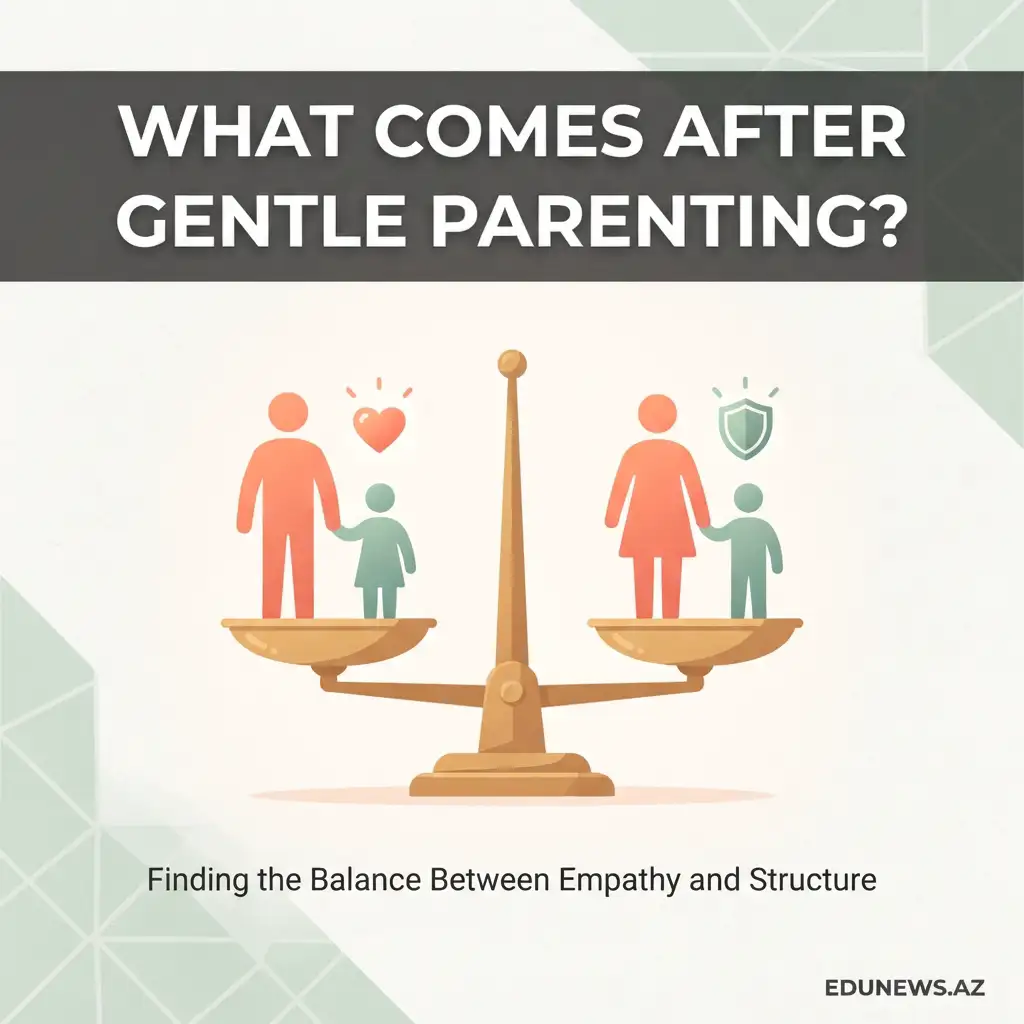
The idea: keep the empathy. Ditch the permissiveness. A sturdy parent still validates a child's feelings — but validating the feeling and enforcing the boundary aren't in conflict; they're supposed to happen at the same time. "I know you're really upset you can't have more screen time. The answer is still no." Both halves of that sentence matter. Gentle parenting, in its most extreme online form, often only delivered the first half.
Researchers describing this shift point to something that sounds almost too simple to be a real correction: kids don't actually want unlimited negotiating power. They want to know where the walls are. A child who successfully argues their parent out of every boundary doesn't feel safer — they feel like they're steering a car nobody else is willing to drive.
The More Interesting Wrinkle: Neuro-Affirming Discipline
One thread worth watching closely, because it's more sophisticated than a simple "add boundaries back" correction: some parenting educators are now pushing what they call neuro-affirming discipline — adjusting expectations based on a specific child's sensory needs or executive-functioning level, rather than applying one firmness standard to every kid in the house.
The logic: a child mid-meltdown from sensory overload doesn't need a firmer boundary in that exact moment — they need a calmer environment first, and the boundary conversation can happen once they're regulated enough to actually process it. That's a genuinely different idea from either "always validate" or "always hold firm." It's closer to: match your approach to what this particular kid's nervous system can actually handle right now, then be consistent about the boundary once they can.
Why This Isn't Just a TikTok Trend
It's tempting to file "parenting philosophy backlash" under internet noise that doesn't really matter. But the pattern here says something bigger about how parenting advice spreads and breaks in the social-media era: an idea with real merit (validate your child's emotions) got compressed into an oversimplified online version (never say no, always negotiate), got adopted by exhausted parents who didn't have time to read the actual books behind it, burned them out, and then got publicly blamed for problems that were really caused by the compressed version, not the original idea.
That's worth remembering the next time a new parenting trend goes viral — including whatever eventually replaces "sturdy parenting" a few years from now. The philosophy rarely fails. The oversimplified, shareable version of it usually does.