OpenAI Launches a Separate Version of ChatGPT Built for Teenagers
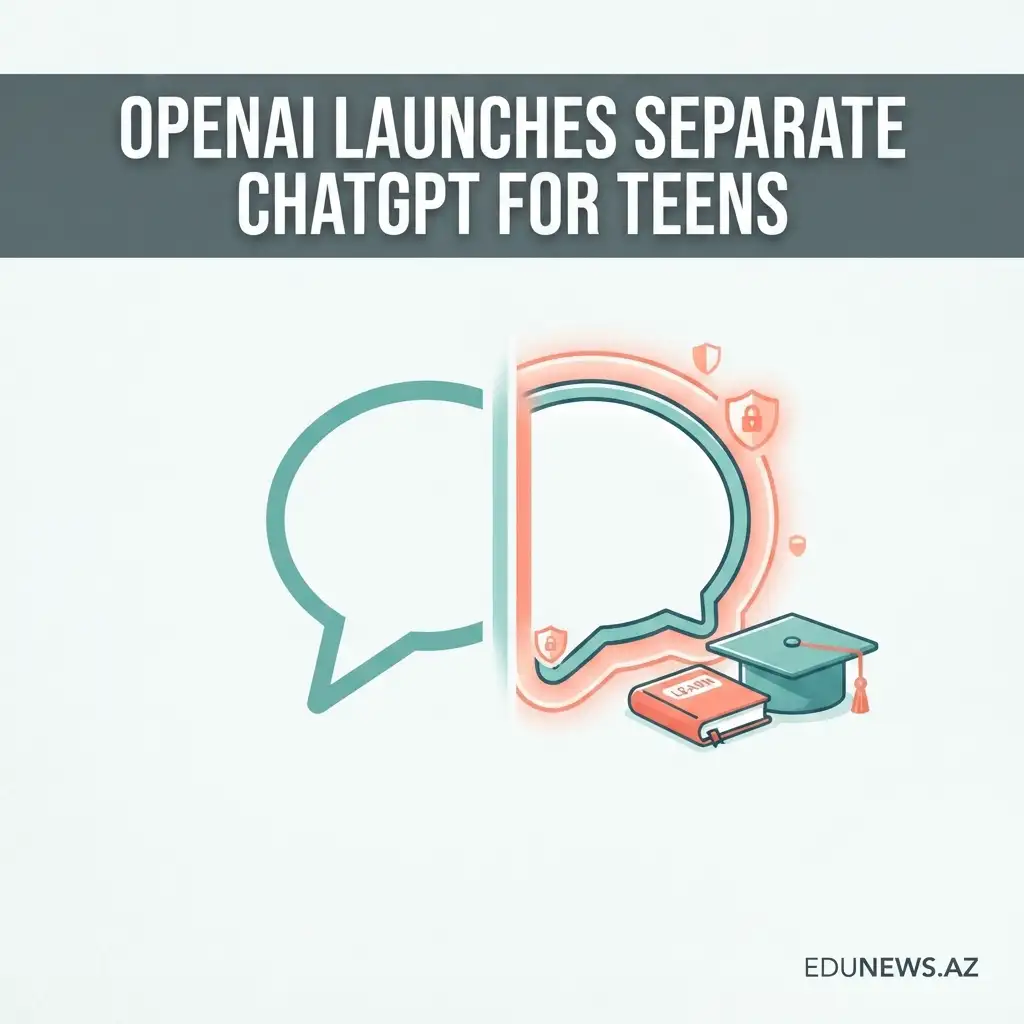
SAN FRANCISCO — OpenAI began rolling out ChatGPT for Teens on August 18, a modified version of the chatbot automatically applied to users aged 13 to 17 — including anyone the company's age-prediction system guesses is a minor, even without ID verification. The global rollout is gradual and expected to reach all eligible accounts within about two weeks.
The teen version adds stronger restrictions around self-harm, suicide, and romantic or sexual conversations, and shifts its approach to schoolwork specifically: rather than handing over finished answers, it's designed to guide teens through a problem using Study Mode, quizzes, and what OpenAI calls "responsible homework reminders" that detect when a student appears to be trying to shortcut an assignment. Parents can link accounts and adjust certain settings, including scheduled "Study Hours," but cannot read their teen's actual conversations.
The launch lands against a genuinely difficult backdrop for the company. OpenAI is currently facing a lawsuit from the family of a 16-year-old who died by suicide after extended conversations with ChatGPT, and CEO Sam Altman has said the company is deliberately prioritizing safety over privacy and freedom for younger users as a result. The stakes are hard to overstate: a Common Sense Media study last year found nearly three-quarters of US teens already use AI chatbots for companionship, with more than half doing so several times a month — meaning OpenAI isn't really introducing teens to AI. It's trying to retrofit safety onto a relationship that already exists at scale.
For schools and education systems watching from outside the US — Azerbaijan included — the product decision worth tracking closely isn't the safety features themselves, but the underlying signal: the world's most-used AI chatbot now assumes, by default, that a meaningful share of its users are minors doing homework. That's a very different starting design assumption than the one ChatGPT launched with in 2022, and it says something about how fast the intended audience for these tools has shifted toward classrooms and teenagers specifically.